Policy Session : 

IWFSAS HIGH-LEVEL POLICY SESSION

Towards an Inclusive and Diverse Financial Market Architecture

DATE  10 October 2026
TIME 
11:40 – 13:10  (London time)
DURATION 
90 minutes
FORMAT  High-Level Policy Dialogue – Hybrid
MODERATOR 
Prof. Rym Ayadi, EMEA & Bayes Business School

LINK: https://city-ac-uk.zoom.us/webinar/register/WN_X9KPysqvQMyCcD6FSIGeAw

Background and Rationale

The global financial system is undergoing profound transformation. Geopolitical divergence, technological disruption, climate-related risks, demographic shifts, and growing inequalities are reshaping the geoeconomic landscape. While financial innovation has expanded opportunities for capital mobilization and economic growth, significant gaps remain in access to finance, market participation, and representation across regions, genders, socioeconomic groups, and emerging economies.

Central banks, regulators, multilateral institutions, and market participants are confronted with a critical challenge: how to design a financial market architecture that is not only stable and efficient but also inclusive, diverse, and capable of serving the needs of all segments of society.

Against this backdrop, this high-level policy session will bring together leading policymakers, central bankers, international financial institutions, and market experts to discuss how financial market architecture can evolve to support sustainable and inclusive prosperity in an increasingly fragmented and uncertain world.

Objectives

  1. Examine the structural barriers that limit inclusiveness and diversity in financial markets.
  2. Explore the role of central banks and regulators in fostering more inclusive financial ecosystems while preserving financial stability and resilience.
  3. Discuss how technological innovation, including digital finance and AI-enabled financial services, can support broader market participation.
  4. Assess the challenges and opportunities facing emerging and developing economies, particularly in the Global South (Africa and the MENA).
  5. Identify policy priorities for building resilient, representative, and future-ready financial market architectures.


Guiding Questions

  • What does an inclusive and diverse financial market architecture look like in the twenty-first century?
  • How can financial systems balance efficiency, innovation, and stability with broader inclusion objectives?
  • What role should central banks play in promoting financial inclusion without compromising their core mandates?
  • How can international regulatory cooperation reduce fragmentation while preserving diversity across financial systems?
  • How can capital markets better serve SMEs, women-led enterprises, youth entrepreneurs, and underserved regions?
  • What best practice can be leveraged for Africa, the MENA region, Europe, and other jurisdictions to advance inclusive finance?
  • How can digital public infrastructure, fintech, AI, and central bank digital currencies contribute to a more inclusive financial architecture?
  • What reforms are needed in global financial governance to ensure greater representation of developing economies?


Proposed Speakers

SPEAKER TITLE / INSTITUTION
Prof. Rym Ayadi

Moderator

President, Euro-Mediterranean Economists Association (EMEA); Professor, Bayes Business School, City St George’s, University of London
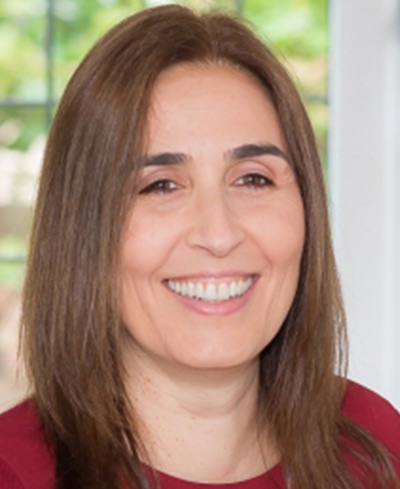
Kathleen Tyson Consulting Principal, Granularity Ltd
Prof. Barbara Casu Director, Centre for Banking Research, Bayes Business School, City St George’s, University of London. Advisor, EMEA
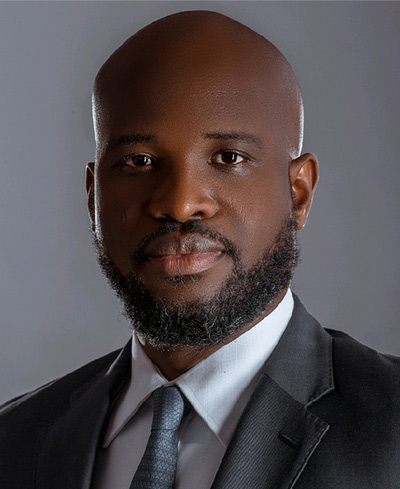
Dr. Ese Owie Senior Advisor, Remaking Trade. Advisor, EMEA
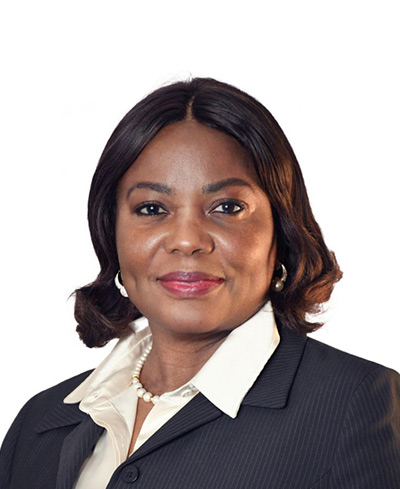
Dr. Iyabo Masha Director and Head of the G24 Secretariat
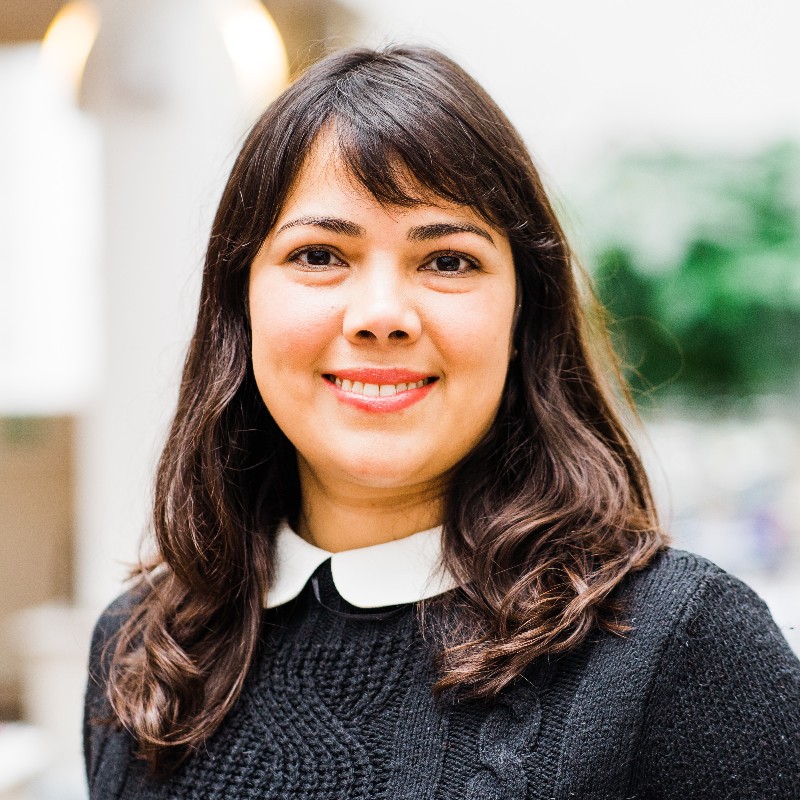
Dileimy Orozco Head of Programmes, Quadrature Climate Foundation


Session Structure (90 Minutes)

11:40 – 11:50  Opening Remarks
Moderator: Prof. Rym Ayadi

  • Setting the context and framing the challenge
  • Why inclusive financial market architecture matters for sustainable global development


11:50 – 12:30  Speaker Interventions
Each speaker will offer a 5–7-minute reflection on the session theme, drawing on their area of expertise:

Speaker: Kathleen Tyson
Consulting Principal, Granularity Ltd

Speaker: Prof. Barbara Casu
Director, Centre for Banking Research, Bayes Business School
Advisor, EMEA

Speaker: Dr. Iyabo Masha
Director and Head of the G24 Secretariat

Speaker: Dr. Ese Owie
Senior Advisor, Remaking Trade. Advisor, EMEA

Speaker: Dileimy Orozco
Head of Programmes, Quadrature Climate Foundation


12:30 – 12:55  Moderated Policy Dialogue

Interactive discussion among speakers focused on:

  • Financial fragmentation and inclusion
  • Digital transformation and access to finance
  • Regulatory innovation
  • Representation of developing economies in global financial governance
  • Future priorities for central banks and market regulators


12:55 – 13:05  Audience Q&A

Questions from in-person and online participants.


13:05 – 13:10  Concluding Reflections

Moderator’s summary of key messages and policy recommendations.


Expected Outcomes

  • Policy recommendations for strengthening inclusion and diversity within financial market structures.
  • Insights into the evolving role of central banks and international institutions.
  • Perspectives on how financial innovation can reduce exclusion while maintaining stability.
  • A roadmap for fostering more representative and resilient financial systems globally.
  • Contributions to the broader IWFSAS 2026 dialogue on the future of financial system architecture and stability.
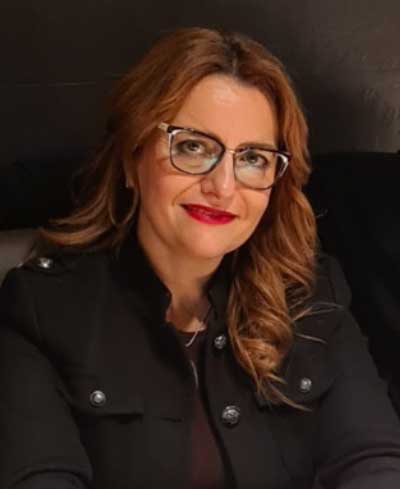
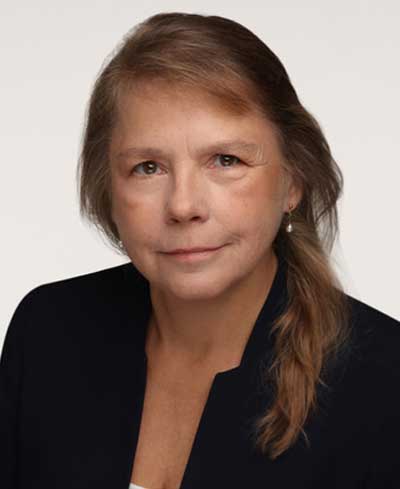
Speakers

Prof. Rym Ayadi

Moderator — President, Euro-Mediterranean Economists Association (EMEA)
Professor, Bayes Business School, City St George’s, University of London

Professor Rym Ayadi is Founder and President of the Euro-Mediterranean Economists Association (EMEA), a Barcelona-based regional think tank that serves as a leading independent and innovative policy research institution. She is Co-Founder of the Brain Capital Alliance, Member of the Steering Committee of the Global Brain Economy Initiative (GBEI), and Founder and Director of the Euro-Mediterranean and African Network for Economic Studies (EMANES).

Professor Ayadi is Professor at Bayes Business School, City St George’s, University of London, and Senior Advisor at the Centre for European Policy Studies (CEPS). She served as elected Chair of the European Banking Authority (EBA) Banking Stakeholders Group from February 2019 to July 2024.

An economist and international academic expert, her research spans international business and financial systems, financial markets and institutions, global financial regulation and governance, and socio-economic development and foresight in economies in transition. She is a member of several international high-level academic and advisory committees. For more information, visit www.rymayadi.com.

Kathleen Tyson

Founder & CEO, Pacemaker.Global

For more than 25 years, Kathleen Tyson has grown global capital markets through infrastructure, liquidity solutions, and effective risk management. Pacemaker.Global provides insight and planning to help manage the complex challenge of the transition to a multicurrency mercantilism in the global economy.

Kathleen globalised dollar liquidity by bringing US Treasuries into Clearstream, co-inventing Triparty Repo — now representing $5–7 trillion a day globally in secured credit — and co-inventing global optimised collateralisation (patented). She also led the operational design for CLS Bank, helping take the FX market from $940 billion a day to more than $14 trillion in daily settlements.

Since then, Kathleen has supported the modernisation of central banks towards fully digital, real-time operations, receiving the Central Banking Technology Award in 2015. Through Pacemaker.Global, she continues to build the tools and infrastructure the world needs for the next phase of globalisation.

Prof. Barbara Casu

Director, Centre for Banking Research; Deputy Dean (Faculty and Research)

Bayes Business School, City St George’s, University of London

Professor Barbara Casu is the Director of the Centre for Banking Research at Bayes Business School, City St George’s, University of London, where she is Professor of Banking and Finance and Deputy Dean (Faculty and Research). Her research interests centre on empirical banking, financial regulation, structured finance, and corporate governance.

Barbara has published widely, with over 50 publications in peer-reviewed journals. She is the author of the widely adopted textbook Introduction to Banking (Pearson FT), used for banking courses across the world. Outside academia, Professor Casu has served as a consultant and visiting researcher at a number of leading organisations, including the International Monetary Fund (IMF), the European Commission (EC), the South African Reserve Bank (SARB), and the Building Societies Association (BSA).

Dr. Iyabo Masha

Director and Head of the G24 Secretariat

Intergovernmental Group of Twenty-Four (G-24) on International Monetary Affairs and Development

Dr. Iyabo Masha is the Director of the Intergovernmental Group of Twenty-Four (G-24) on International Monetary Affairs and Development. She previously served on Nigeria’s Presidential Economic Advisory Council, advising on global economic spillovers, financial and capital markets, and sustainable development.

Dr. Masha spent several years at the International Monetary Fund (IMF), working with emerging market and low-income economies across Africa and Asia, and served as IMF Resident Representative for Sierra Leone. Earlier in her career, she worked at the Central Bank of Nigeria, focusing on monetary policy, reserve management, and research.

Her areas of expertise include macroeconomic and systemic risks, monetary and financial stability, debt sustainability, trade, regional integration, and long-term growth. Dr. Masha holds a Ph.D. in Economics from American University in Washington D.C. and is a member of the Task Force on Climate, Development and the International Financial Architecture.

Dr. Ese Owie

Senior Advisor and President, Cavendish Institute

Executive Chairman, Numelec Africa Holdings

Dr. Ese Owie is an international trade lawyer and energy transition and climate change expert with more than two decades of multi-jurisdictional experience at the intersection of finance, public policy, and academia. He advises governments, multilateral institutions, businesses, and third-sector organisations on trade policy, energy transition, sustainable finance, climate risk, and regulatory matters.

His expertise spans international trade law and policy, including bilateral and regional trade systems and African Union trade policy. He has advised on the development and implementation of the African Continental Free Trade Agreement (AfCFTA), and on a wide range of energy transition projects, including wind, solar, clean hydrogen, carbon capture, battery storage, EV charging, and carbon trading.

Dr. Owie has also held senior public-sector positions in Nigeria, including Special Adviser to the Governor of Edo State and Executive Chairman of the Edo State Board of Internal Revenue, where he helped increase monthly state revenues from approximately ₦250 million to over ₦1.8 billion within one year. He currently serves as Senior Advisor and President at the Cavendish Institute, leading its trade, sustainability, and climate change advisory practice, and as Executive Chairman of Numelec Africa Holdings, an Africa-focused healthcare infrastructure optimisation group.

Dileimy Orozco

Head of Programmes, Quadrature Climate Foundation

Dileimy Orozco is Head of Programmes at the Quadrature Climate Foundation, where she leads funding and programme strategy on climate finance and economic governance. Previously, she was a Senior Policy Advisor at E3G, a leading European climate think tank, where she advised on international climate finance architecture and sustainable economic transitions. She has also worked at Chatham House and the UK Cabinet Office.

Back to top of page